May 11, 2018
Filmworker
Lewis Whittington READ TIME: 3 MIN.
"You were in this strange film world," Leon Vitali recalls in director Tony Zierra's documentary "Filmworker," about Vitali's career working with brilliant and tyrannical director Stanley Kubrick for over 20 years.
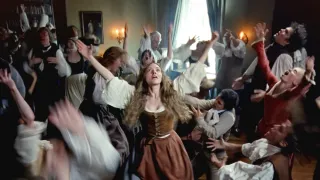
Leon Vitali was a rising film and stage star in Britain in the '60s, and when he saw Stanley Kubrick's "2001: A Space Odyssey" he knew he had to work with the director. He auditioned for Kubrick and was cast as Lord Bullington in "Barry Lyndon," practically stealing the movie from Ryan O'Neal.
Offers came pouring in, but Vitali turned them down for a chance to continue working with Kubrick behind the camera as his personal assistant and all-around technical assistant for the next 25 years. He walked away from acting, to the lament of his theater colleagues who recognized he was a huge talent.
Kubrick is without question considered an American cinema master; a string of international hits - including "The Killers," "Paths of Glory," "Dr. Strangelove," "Lolita," "Clockwork Orange," "Full Metal Jacket," and his masterpieces "Dr. Strangelove" and "2001" confirm his status.
After "Barry Lyndon," Kubrick invited Vitali to work on his next film, "The Shining." He sent Leon to cast the role of Jack Nicholson's son. Interviewing 4,000 parents with kids, Leon found Daniel Lloyd, and they hit it off right away. The adult Daniel did not stay in movies, but he is interviewed in the documentary with fond memories how Leon coached him and walked him through each scene.
From there, Leon took care of big and small things on his films, from casting, technical aspects, dialogue coaching, research. Because Kubrick was a perfectionist, it was a 24/7 job when they were in production.
As charming as Vitali is in recalling his experiences, the stories of the documentary becomes redundant in the war stories he relates being Kubrick's assistant.
Leon speaks of being addicted to the perfectionism Kubrick demanded of him. Ryan O'Neal recalls O'Neal describe a scene in "Barry Lyndon" where his character has to attack Vitali, and Kubrick kept insisting on reshoots, telling O'Neal that he was not hitting his fellow actor hard enough. O'Neal recalls how brutal it became: "I knew I hurt him."
This film will be of interest for Kubrick admirers, with behind the scene interviews with film crews and industry professionals who worked with the director. But the doc it is more about a creative co-dependency that played out in negative ways for the good hearted and talented Leon Vitali.
The documentary sags in the middle with lots of interviews that go over the same stories. The redundancy is rescued by clips of Kubrick films, and a glimpse of how talented Vitali was in "Barry Lyndon," as well as a reminder of what a stunningly visual film it is.
Meanwhile, it is also a reminder of how shockingly bad Kubrick's final film, "Eyes Wide Shut," is - the only thing that is missing is a laugh track. The doc includes set footage of Vitali as 'The Red Cloak' master in the morbidly prurient film, during the production of which Kubrick died.
Vitali continued working on Kubrick's films, restoring every master print to their original ratio and pristinely color-matching every frame. Vitali moved to L.A. and became an expert in film preservation, among having other technical credentials, even though he barely received any recognition by the industry. He was excluded from a major Kubrick retrospective exhibit in L.A. for instance, but the ever loyal Vitali is anything but bitter.
Vitali breaks your heart with his sincerity and loyalty, so even in Zierra's erratically paced documentary it is great to see him recognized for his talents, since Kubrick obviously didn't bother.