February 27, 2018
The Effect of Gamma Rays on Man-in-the-Moon Marigolds
Kilian Melloy READ TIME: 2 MIN.
Joanne Woodward is gloriously unhinged and poignantly ruined in the Paul Newman-directed "The Effect of Gamma Rays on Man-in-the-Moon Marigolds," the 1972 screen version (adapted by prolific screenwriter Alvin Sargent) of Paul Zinn's Pulitzer Prize-winning 1965 play.
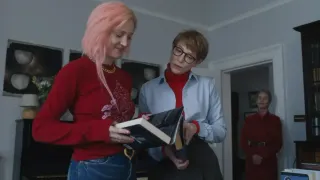
Woodward plays Beatrice, a (more or less) functional alcoholic and single mother raising two daughters on the meager income provided by her late husband's insurance. To supplement the family coffers, Beatrice takes in boarders: People with terminal conditions, from cancer to advanced age. This horrifies elder daughter Ruth (Roberta Wallach), a headstrong teen who has entered the difficult stage of adolescence in which she craves male attention and can't stand her mother, or much else about her home life. Making Ruth's lot more difficult is an unspecified psychological condition in which she suffers from nightmares and seizures.
Existing in the midst of this unstable existence is the quiet, intelligent, and endlessly forbearing younger daughter, Matilda (Newman and Woodward's daughter, Elinor Newman, credited here by the stage name Nell Potts. Though Elinor has fewer speaking lines than any of the other major characters (except maybe the barely functional border, a wheelchair-bound woman named Nannie Annie, played by Judith Lowry), the young actress -- who never made another movie -- serves as a crucial anchor point, offering an indelible performance and counterbalancing Woodward's gabby, manic energy.
Beatrice whirls through her days on a torrent of disappointment and nostalgia. She gripes about the no-good men who have made a mess of her life, but makes only intermittent efforts to straighten up either her prospects or her house; she's far more interested in extending her self-imposed limitations on her daughters. Underneath her haze of hostility is a glittering edge of pain and insecurity that -- when Woodward allows it to flash through -- explains everything about her.
The film escapes its theatrical origins by opening up into the wider world at every change and using broadly kinetic camera work. Newman never lets his movie lapse into staginess. Maurice Jarre's score strikes the right chord, so to speak, for the gritty vibe of an American version of the British "kitchen sink" drama. Much of the film plays like the desperate underside of 1950s prosperity, which makes the flashes of 1970s style -- seen in forays to the girls' school, or an impromptu date Beatrice goes on with the proprietor of an antique shop -- stand out unnervingly and remind us of just what an antique Beatrice is allowing herself to become.
This is a film of half-lives and malicious energies, and the rare possibilities they can summon among the havoc they wreak.
This Twilight Time Blu-ray edition comes complete with isolated score track, the original theatrical trailer (always a handy reference to see just how much the brand's Blu-ray transfers improve upon old prints) and, as ever, film historian Julie Kirgo's informative and delightful essay.
"The Effect of Gamma Rays on Man-in-the-Moon Marigolds"
Blu-ray
$29.95
https://www.twilighttimemovies.com/effect-of-gamma-rays-on-man-in-the-moon-marigolds-the-blu-ray/